The Surrender Equation: How Giving Up Creative Control Produces the Portrait That Finally Looks Like You
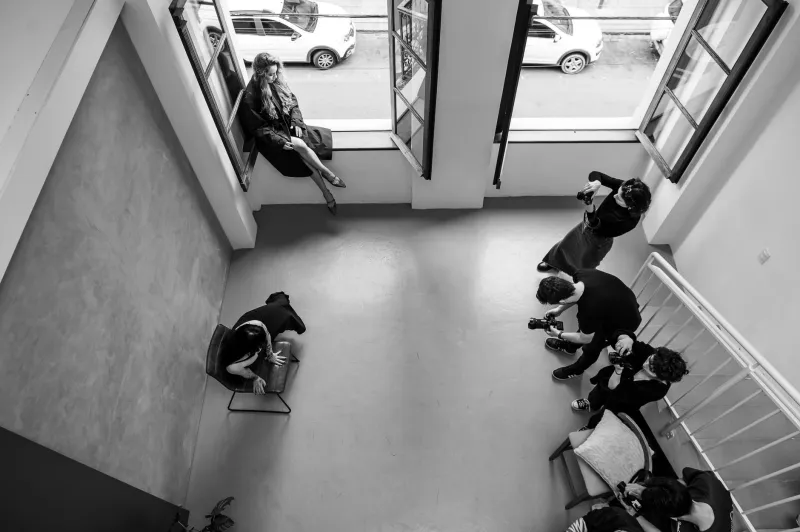
There is a peculiar irony embedded in the professional portrait experience that most clients never fully reckon with. The more deliberately a subject attempts to manage their own image—adjusting their posture, rehearsing their expression, auditing every frame on the camera's rear screen—the more the resulting photographs resemble a performance rather than a person. The portrait that finally feels like you almost never arrives through force of will. It arrives the moment you stop trying to produce it.
This is not a philosophical abstraction. It is a measurable, repeatable dynamic that working photographers observe in their studios with remarkable consistency. And understanding it may fundamentally change how you approach your next portrait session.
The Control Paradox in Practice
When a client walks into a portrait session carrying a clear vision of the image they want to project, something predictable happens: their body becomes an instrument of that vision rather than an expression of themselves. The jaw sets slightly. The eyes lose a certain quality of openness. The smile, however practiced, carries the faint signature of effort.
Photographers who work extensively with executives, creatives, and public figures describe a near-universal pattern. The most compelling frames almost never arrive during the structured portion of a session. They arrive in the transitions—when a subject reaches for a glass of water, responds to an unexpected question, or laughs at something they didn't anticipate finding funny. In those unguarded intervals, the architecture of self-presentation briefly dissolves, and the camera captures something the subject could not have staged.
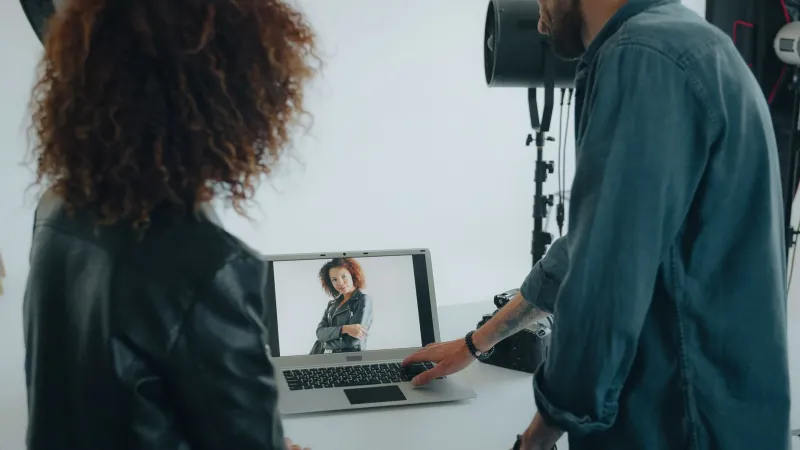
This is the collaboration paradox in its purest form. The client hires a photographer for their technical skill and visual intelligence, then unconsciously attempts to override both by directing their own portrait from the inside out. The photographer, working from the outside in, can see what the subject cannot: the authentic visual information that self-consciousness routinely suppresses.
What Photographers Actually See
Experienced portrait photographers develop a specific literacy for the moment of transformation—the precise beat when a subject transitions from performing for the camera to simply existing in front of it. It is rarely dramatic. More often, it resembles a subtle softening: the shoulders drop a fraction of an inch, the eyes focus on something genuine rather than something imagined, and the face reassembles itself into an expression that carries actual feeling rather than the approximation of one.
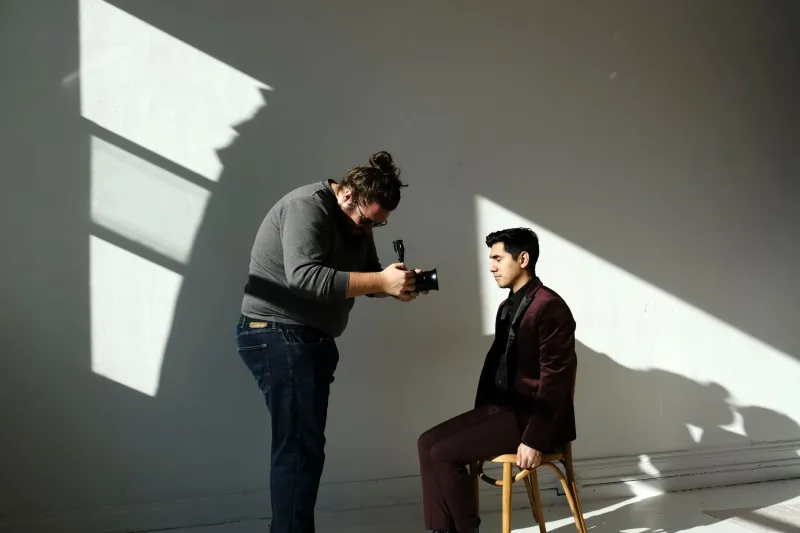
This transformation is not accidental. Skilled photographers engineer conditions that make it more likely. They ask questions designed not to elicit information but to redirect a subject's cognitive attention away from their own appearance. They introduce movement—a slow walk, a turn toward the window—that occupies the body and quiets the self-monitoring mind. They allow silence to accumulate until the subject fills it with something unscripted.
The photographer's role, in this sense, is less technical than it is psychological. They are managing the internal weather of the person in front of them as much as they are managing light, composition, and timing. A subject who understands this—and who chooses to cooperate with it rather than resist it—is a subject who will leave the session with images that surprise them in the best possible way.
Building the Psychological Conditions for Vulnerability
The word vulnerability carries uncomfortable connotations in professional contexts, but its photographic definition is more precise and less threatening than it sounds. Photographic vulnerability simply means the willingness to be seen as you actually are, rather than as you have decided to appear. It does not require emotional exposure. It requires only a temporary suspension of the self-editing impulse.
Creating the conditions for that suspension is a shared responsibility between photographer and subject. The photographer's obligations are well understood: a controlled environment, clear communication about the session's structure, genuine warmth, and the patience to allow a subject's defenses to lower at their own pace. But the client's obligations are less frequently discussed, and they are equally consequential.
Clients who arrive at a portrait session having done three specific things tend to produce the strongest work. First, they have reviewed the photographer's portfolio with genuine attention—not to identify poses to replicate, but to understand the visual sensibility they are choosing to trust. This prior study builds the confidence necessary to release control, because it establishes that the photographer's judgment is worth deferring to.
Second, they arrive having communicated their professional context and personal goals clearly in advance—not on the day of the session, when the conversation competes with the creative work, but beforehand, through a brief intake process or consultation call. A photographer who understands what a portrait needs to accomplish can make a thousand small decisions in service of that outcome without requiring real-time direction from the subject.
Third, and perhaps most importantly, they make a conscious decision before the session begins to treat the photographer as a collaborator rather than a vendor. This distinction is not semantic. A vendor executes instructions. A collaborator exercises judgment. Clients who arrive prepared to receive judgment rather than deliver instructions experience something categorically different from those who do not.
The Moment the Portrait Becomes Yours
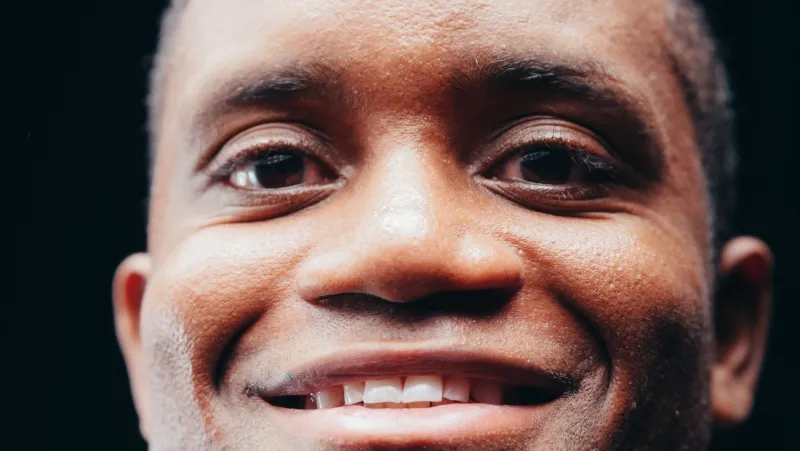
There is a moment in nearly every successful portrait session—experienced photographers will recognize it instantly—when the subject stops being a client and starts being a person. The transaction fades. The self-consciousness retreats. Something genuine surfaces, and the camera, which has no preference for performance over authenticity, simply records what is there.
Clients who have experienced this moment describe it in strikingly similar terms afterward. They did not feel it happening. They were not aware of relaxing. They were simply, suddenly, somewhere else in their minds—engaged in conversation, absorbed in a memory the photographer's question had surfaced, or distracted by the quality of the afternoon light coming through the studio window—and the photograph happened without them.
Those are almost always the photographs they choose. Not because they are technically superior to the others, though they often are. Because they recognize themselves in them in a way they cannot explain and do not need to.
Choosing to Collaborate, Not Capitulate
It is worth being precise about what productive surrender does and does not mean. It does not mean arriving at a session with no sense of your own identity, aesthetic preferences, or professional objectives. Those inputs are essential, and a good photographer will actively solicit them. What it means, more accurately, is delivering those inputs clearly and early, then trusting the person you have hired to translate them into visual language more fluently than you could on your own.
The photographers who consistently produce transformative portrait work share a common observation: their best clients are not passive. They are engaged, communicative, and present. But they have made a deliberate decision to engage with the process rather than manage the outcome. That distinction—between engagement and management—is where the best portraits live.
At Portraits & Co., we have observed this dynamic across every category of client we serve. The executive who loosens the grip on her professional persona for ninety minutes. The creative director who stops imagining how the image will look on LinkedIn and starts responding to what is actually happening in the room. The entrepreneur who arrives prepared to be surprised by himself. These are the sessions that produce portraits capable of doing what no carefully directed image ever quite manages: making the person in the photograph undeniably, unmistakably real.