Ten Frames That Built the American Working Face
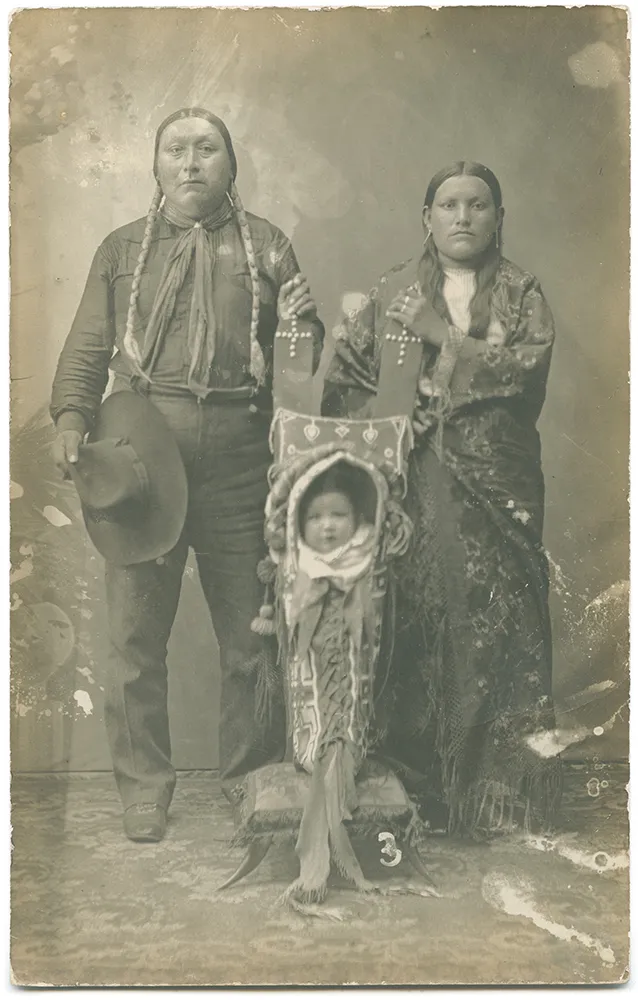
Photo: SMU Central University Libraries, No restrictions, via Wikimedia Commons
The American professional portrait has never been a neutral record. It is a contract — a visual argument about who this person is and why you should believe them. And like any contract, its terms have been renegotiated roughly once a generation for the past 180 years. Consider ten frames that trace the arc.
1. The Daguerreotype Gentleman (1840s–1850s)
The earliest American professional portraits borrowed their grammar from painted miniatures: three-quarter pose, dark suit, an expression of grave fiscal responsibility. Exposure times ran thirty seconds or more, so the sternness was partly physics. But the sternness stuck. Credibility, the daguerreotype taught us, looks like stillness.
2. The Civil War Tintype (1860s)
Cheap, durable, and mailed home in envelopes, the tintype democratized the portrait. The soldier's studio portrait — saber, kepi, hand resting on a prop column borrowed from classical sculpture — was often the only image a family would ever own. It established a durable American pattern: the professional portrait as a document for people who cannot see you in person.
3. The Industrial Magnate Cabinet Card (1870s–1890s)
Carnegie, Rockefeller, and their peers posed with ledgers, telegraph keys, and heavy furniture — props that said infrastructure. The message was institutional: this man is not merely employed; he is load-bearing.
4. The Studio Portrait of the Self-Made Clerk (1900s–1920s)
As white-collar work swelled, portrait studios in every county seat sold respectability by the dozen. The archetype: collar and tie, hands visible, eyes to camera, backdrop of painted drapery suggesting a drawing room the subject may not have owned. Performance was the point, and nobody pretended otherwise.
5. The Hollywood Glamour Shot (1930s–1950s)
George Hurrell's dramatic key lights and soft-focus lenses migrated from studios to executive suites. The mid-century American professional portrait learned to want to be admired, not just believed. Credibility acquired a hint of cinema.
6. The Corporate Annual Report Portrait (1960s–1970s)
The rise of the multinational firm produced the wood-paneled executive portrait: corner office implied, jaw set, tie diagonal in frame. This was portraiture as org chart — you were credible because of where you sat.
7. The Power Shoulder Shot (1980s)
Big lapels, big lighting ratios, big confidence. The 1980s portrait argued that credibility and dominance were the same thing, and fashion photography's aggressive edge leaked into the annual report.
8. The Y2K Agency Comp Card (1990s–2000s)
As careers became portable, the comp card aesthetic — white background, approachable smile, slight tilt — taught a generation that the professional portrait should feel like a handshake, not a verdict.
9. The LinkedIn Headshot (2010s)
The platform standardized it: tight crop, neutral background, warm smile, business-casual everything. Credibility became algorithm-friendly. You were believable because you looked like everyone else who was believable.
10. The Candid Executive (2020s–)
And now: the loose stance, the genuine laugh, the environmental blur, the rolled sleeve. The current archetype insists it is not performing at all — which is, of course, its most sophisticated performance yet.
The Long Negotiation
Notice the pendulum. Every era that prized formality was followed by one that prized warmth, and back again. The through-line is not style but tension: Americans have always wanted their professional portraits to be both true and advantageous, and each generation's archetype is simply the compromise it struck.
The candid executive portrait is no more authentic than the daguerreotype gentleman was stern by choice. It is the latest term in a 180-year contract — and somewhere, someone is already drafting the next amendment.