Small Circles, Big Impressions: A Case for Retiring the Corporate Headshot
Photo: GSC Game World, GFDL, via Wikimedia Commons
Somewhere along the way, the corporate headshot stopped describing anyone. You know the image: gray backdrop, folded arms, a smile calibrated to a level of cheerfulness no one actually brings to a Tuesday morning standup. It was designed for the annual report and the printed org chart. It survives today mostly as inertia.
The problem is not that the image is bad. The problem is that it is answering a question nobody is asking anymore.
Where Colleagues Actually See You
The modern American workplace is a gallery of thumbnails. We meet in video calls where faces occupy a rectangle the size of a playing card. We appear beside Slack messages as circles barely wider than a fingernail. We are encountered in comment threads, shared documents, and meeting recordings — contexts that are casual, frequent, and small.
Against this reality, the formal headshot is a strange artifact. It presents us at maximum formality in the contexts where we are seen at minimum scale. And when it does appear — dropped into a video call's profile slot or a team directory — it often clashes with the live version of the person on screen, creating a small but persistent dissonance that colleagues register without naming.
What a New Standard Would Look Like
The portrait built for a camera-first workplace should optimize for the opposite conditions of the traditional headshot: high frequency, low formality, tiny dimensions.
Legibility at thumbnail scale. The image must survive being rendered at 40 pixels. That means tighter framing, higher contrast on the face, and backgrounds that dissolve rather than compete. A portrait that only works printed on a letterhead is a portrait for a workplace that no longer exists.
Consistency with the live feed. The still image should resemble what colleagues see when your camera is on — similar setting, similar energy, similar wardrobe register. The goal is continuity between your static identity and your live one, so the two reinforce rather than contradict each other.
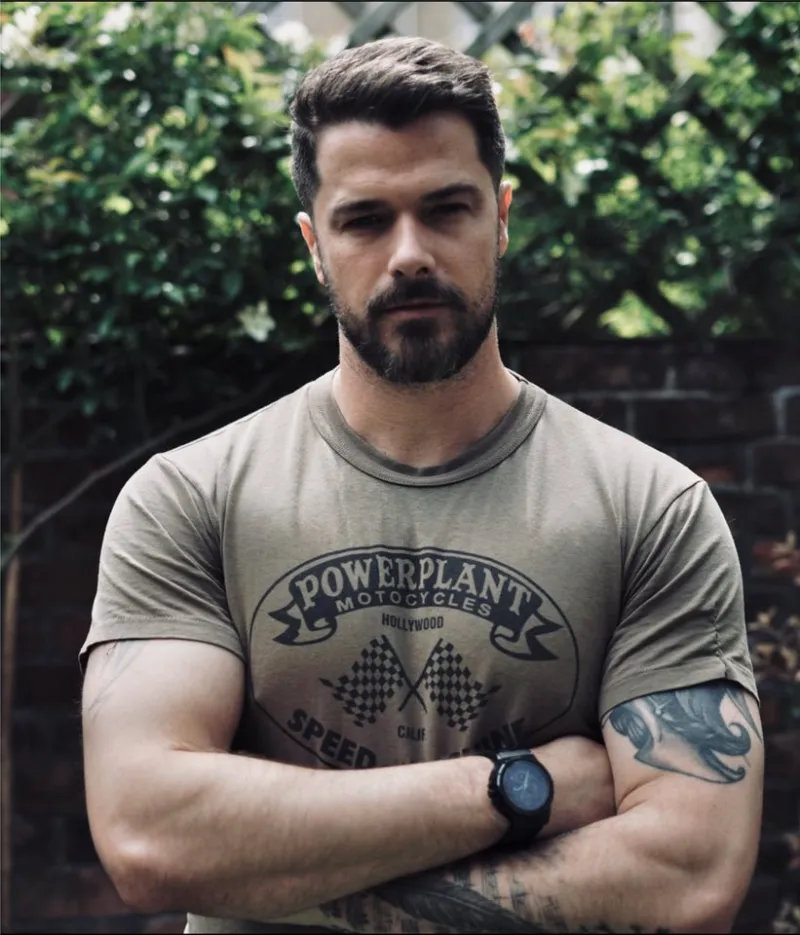
A human register. Slight informality is an asset, not a lapse. A portrait with natural light, a genuine expression, and a hint of environment reads as present and engaged — qualities that matter far more in daily collaboration than gravitas.
A faster refresh cycle. If your image lives beside your live video feed, it needs updating as often as your role changes — annually, not on the five-year schedule of the traditional corporate shoot.
The Objection, and the Answer
The predictable objection: does this not erode professionalism? The answer, increasingly supported by how leading companies present their people, is no. The firms whose team pages feel most credible today use environmental portraits, candid frames, and varied settings — images that suggest actual humans doing actual work. The gray-backdrop headshot now signals less about authority and more about how long since the company updated its website.
Professionalism in a camera-first world is conveyed through clarity, presence, and consistency — not through formality for its own sake.
The Bottom Line
The traditional headshot was built for a workplace of printed directories and annual meetings. The workplace we actually inhabit is made of small circles, frequent glances, and constant low-level visual contact. Our portraits should be built for that world — clear at thumbnail size, honest in register, and current enough to match the face that shows up on the call.
The gray backdrop served its era well. Its era is over.