The Portfolio You Don't File: How America's Career Currency Went Visual

Photo: Shixart1985, CC BY 2.0, via Wikimedia Commons
Consider the last three professionals you looked up online. If you are like most Americans in the hiring economy, you did not read their resumes first. You saw their faces — a LinkedIn headshot, a conference speaker photo, a still frame from a podcast appearance — and you formed an impression before a single bullet point loaded.
That sequence, repeated millions of times daily across the country, has quietly restructured how careers are evaluated. The resume remains a legal necessity. The visual portfolio has become the practical one.
The Image Library Is the New Paper Trail
Recruiters at firms from Chicago to Atlanta describe the same pattern: a candidate's professional photograph is reviewed before their work history is read. In a market where the average job posting draws hundreds of applicants, the portrait functions as a first filter — not because it should, but because attention is scarce and images are fast.
What has changed is the sheer number of contexts in which a professional's face must now perform. A decade ago, one corporate headshot could serve for years. Today's career demands a rotation: a formal image for press releases, a relaxed environmental portrait for LinkedIn, candid frames from speaking engagements, and even short video clips that show how you move and speak.
Stylists who work with executives report that clients increasingly arrive asking not for "a headshot" but for "a library." The distinction matters. A library implies range, currency, and strategic intent.
What the Strategists Are Saying
Personal brand consultants describe the shift in blunt terms. A professional whose only current image is a five-year-old studio headshot signals stagnation, even when their actual work is current. Conversely, a well-curated set of images — varied in setting, wardrobe, and energy — communicates adaptability before any interview begins.
Hiring managers echo the sentiment with a caveat. They are not looking for glamour. They are looking for coherence: does the person in the speaker photo resemble the person in the interview chair? Does the image suggest the level of role being sought, or one tier below it?
That last question is where many American professionals lose ground. An image shot for a middle-management role does not read as executive when the promotion arrives. Visual assets, like job titles, need to be updated ahead of the ambition, not behind it.
Building a Library That Works
The professionals who navigate this economy well treat their image collection the way they treat their professional network — as something maintained deliberately, not assembled in panic before a deadline.
A working library typically includes:
- One formal anchor image, updated every two years, suitable for press, bios, and institutional use.
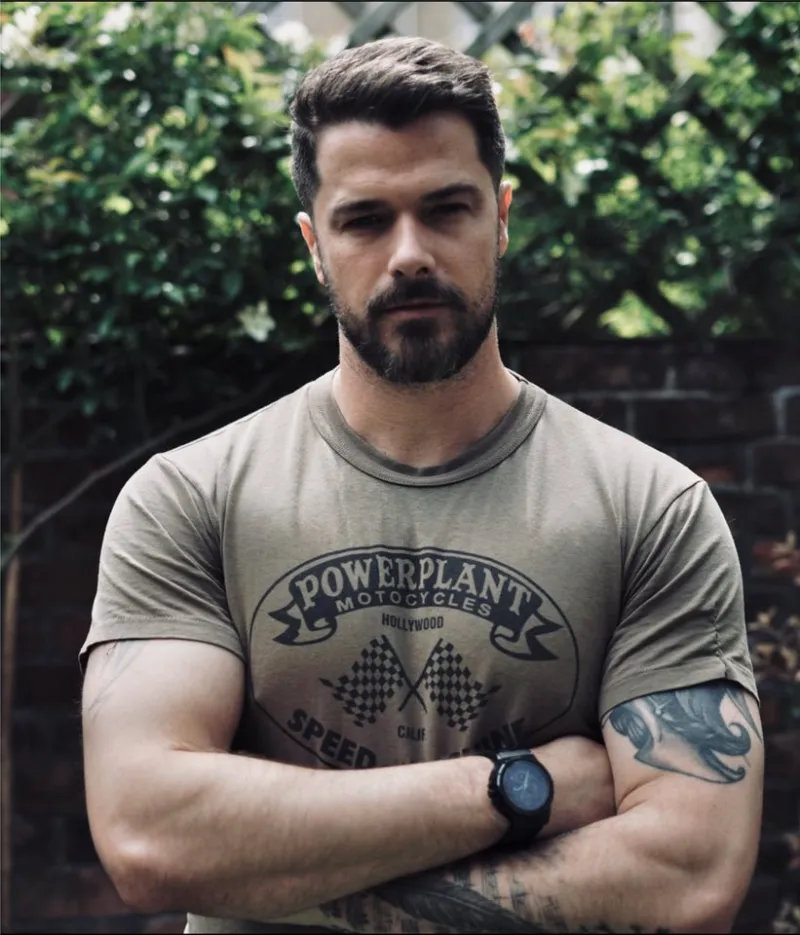
- Two to three contextual portraits — an environmental shot in your actual workspace, a conversational frame, a candid mid-gesture image that suggests motion and engagement.
- Event documentation from conferences, panels, and speaking dates, selected with the same care you would apply to a published byline.
- Short-form video stills or clips, increasingly the format through which colleagues and recruiters encounter you first.
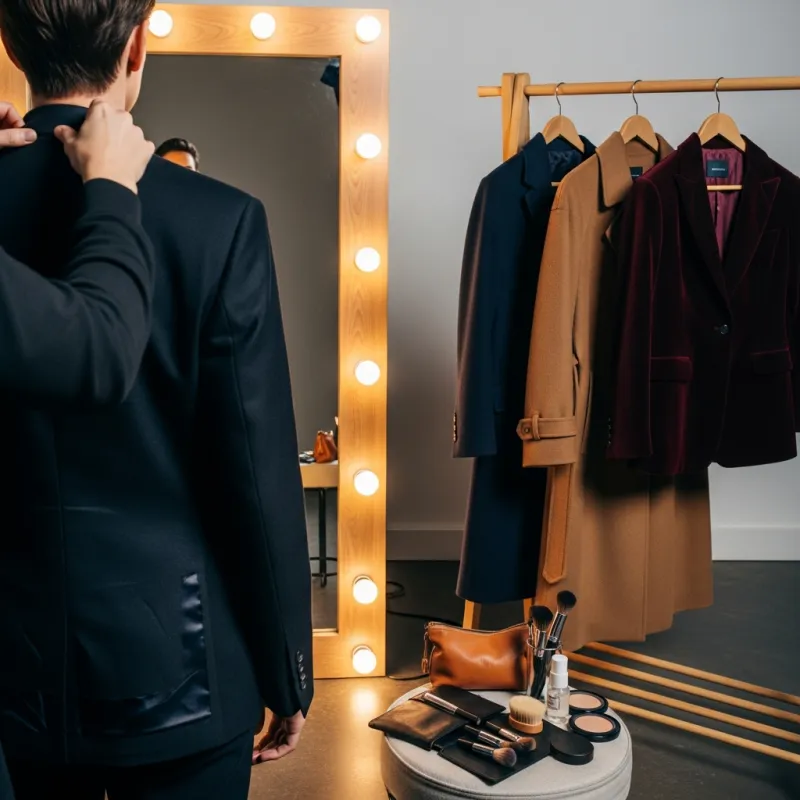
The wardrobe dimension deserves equal planning. Stylists recommend photographing in clothing from at least two formality levels, so the library can flex across contexts without reshooting.
The Maintenance Mindset
None of this requires vanity. It requires the same discipline professionals already apply to updating their resumes, maintaining their references, and keeping their certifications current. The image library is simply the newest ledger in a career's bookkeeping — one that happens to be reviewed first.
The professionals who understand this are not chasing trends. They are recognizing that in a screen-mediated economy, the frame through which you are seen has become part of the work itself. Treat it accordingly.