The Working Five: A Portrait Rotation for a Career That Won't Sit Still
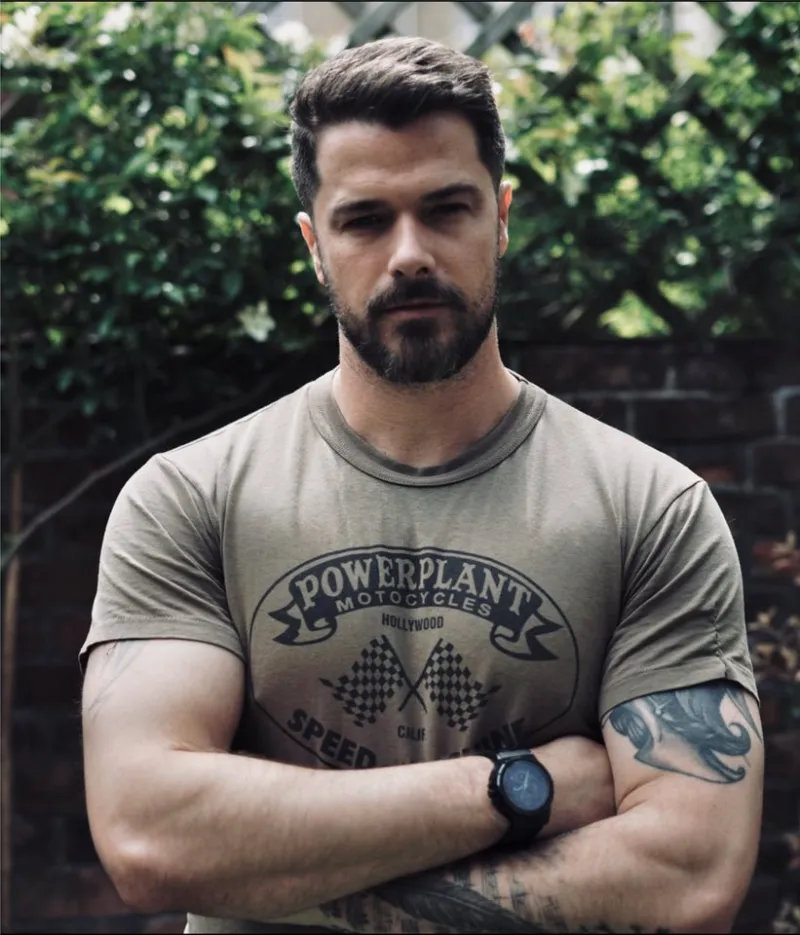
Photo: Scott James Reeves, Public domain, via Wikimedia Commons
Ask most professionals how many portraits they need and the answer is one: a headshot, updated when the last one becomes embarrassing. It is a reasonable answer for a career that happens in one room. Very few careers do anymore. The modern professional life is distributed across platforms that demand different visual registers, and a single image stretched across all of them reads as either lazy or automated.
The practical solution is a rotation. Five distinct archetypes, produced across one or two sessions, cover nearly every professional scenario a career will generate.
1. The Authoritative Headshot
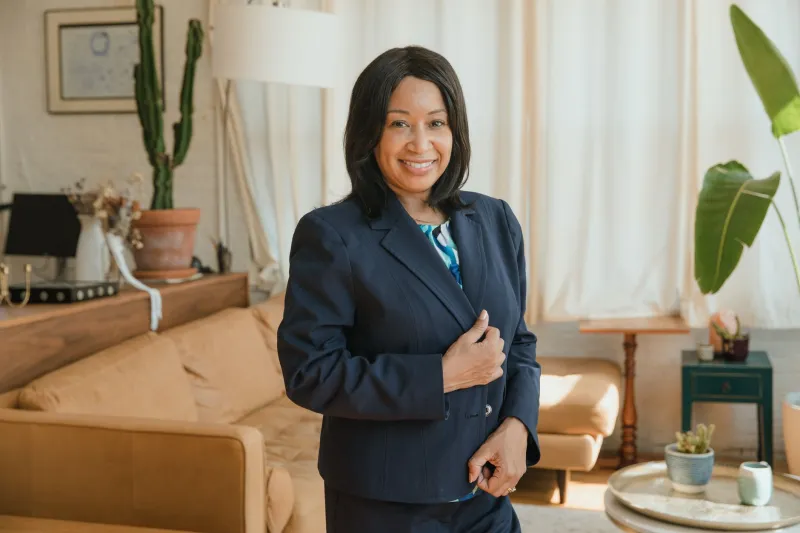
The foundation. Chest-up, direct eye contact, controlled lighting, neutral background. This is the image for LinkedIn, email signatures, and any context where the first question is whether you are credible. Brief a photographer for a classic Rembrandt or loop lighting setup and a crop that leaves breathing room above the head. Shoot it first, while hair and wardrobe are pristine.
2. The Candid Working Portrait
You, mid-task, unaware or deliberately ignoring the camera — reviewing documents, sketching, speaking to a colleague just out of frame. This belongs on personal websites, about pages, and grant applications. The brief to the photographer is simple: do not direct me, follow me. These frames live or die on the photographer's patience, so allocate real time to them.
3. The Environmental Story Shot
Wider, contextual, unmistakably located — the workshop, the courtroom, the studio, the field site. This is the portrait for press kits, magazine features, and conference materials where the audience needs to understand what you do, not just that you are serious. Brief the photographer on the location's meaning in advance so they can compose around it rather than despite it.
4. The Conversational Frame
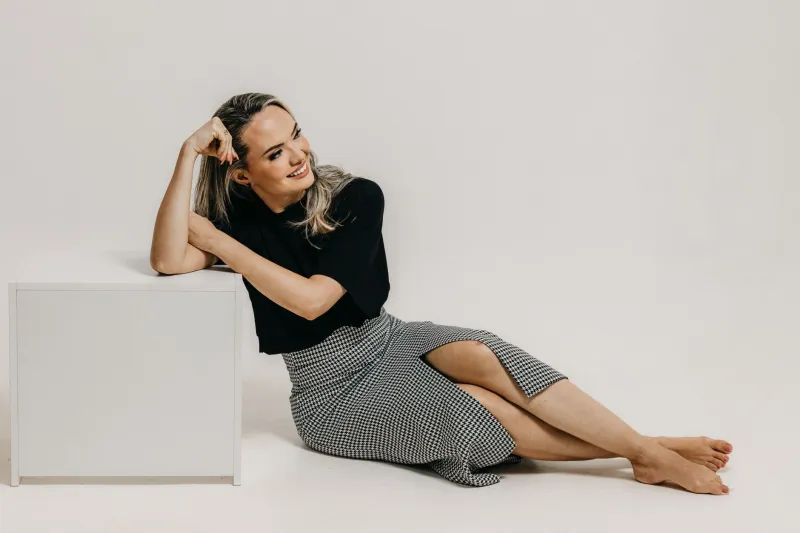
You engaged with someone or something off-camera — laughing, listening, mid-gesture. This is the most under-owned portrait in most professional libraries and the most versatile: it humanizes speaker bios, warms up fundraising decks, and softens the tone of a personal brand without sacrificing polish. The technical brief: shoot at a slight angle, catch the subject between expressions, and let the interaction run long enough for the performance to fall away.
5. The Wildcard
The one that breaks your own rules. A black-and-white close crop, a profile, a shot with deliberate shadow or attitude. Its purpose is range — proof that there is a person behind the positioning. It belongs on personal sites, podcast artwork, and the moments when a platform needs an image that stops the scroll. Brief it last, when the formal work is done and both of you are loose.
The Rotation Logic
The point of the working five is not volume; it is fit. Each archetype answers a different question a stranger might ask — Are you credible? Are you real? What do you actually do? Are you someone I'd want to work with? Is there more to you? A career supplied with all five answers never has to send the same face into a situation it wasn't made for.