The Credibility of Imperfection: How Strategic Authenticity in Portraiture Builds Unshakeable Professional Trust
When Perfection Becomes a Liability
For decades, the professional portrait operated according to a single, unquestioned directive: look your absolute best. Smooth every line, correct every asymmetry, project an image so refined that no viewer could find a flaw. Retouching software made this standard increasingly achievable, and for a time, the polished headshot reigned unchallenged as the currency of professional credibility.
That era is ending.
Across industries—from executive leadership to creative entrepreneurship to the consulting world—a quiet but unmistakable shift is underway. Audiences have grown sophisticated in ways that catch up with technology. They can sense, often without being able to articulate precisely why, when an image has been scrubbed of its humanity. And when they sense it, something important erodes: trust.
The paradox at the center of contemporary professional portraiture is this: the portrait designed to present you at your most impressive may, in fact, be the one that impresses people least.
The Science of Perceived Authenticity
Research in social psychology has long established that human beings are remarkably attuned to subtle cues of authenticity. We read microexpressions, detect incongruence between physical appearance and emotional affect, and register—often unconsciously—when something has been artificially smoothed over. This perceptual sensitivity, refined over millennia of social interaction, does not switch off when we scroll through a LinkedIn profile or evaluate a speaker's bio photograph.
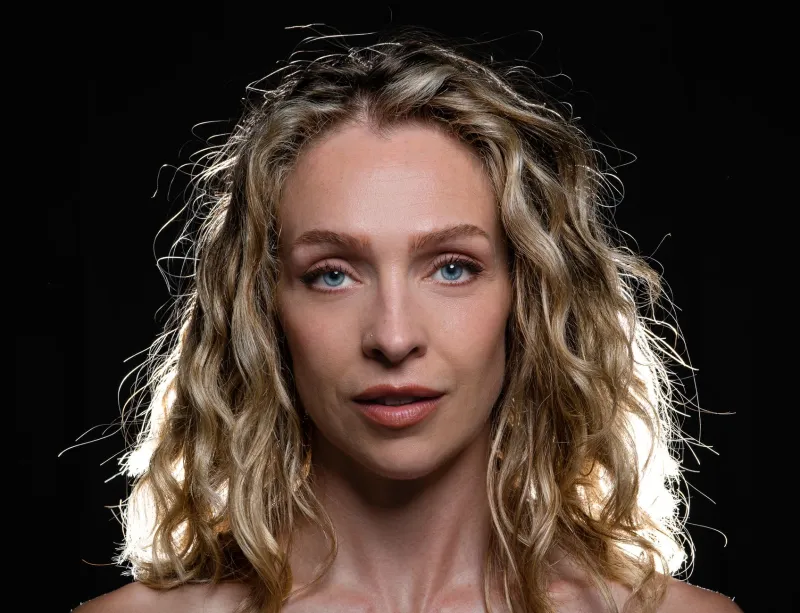
What this means for professional portraiture is significant. A face that retains its natural texture, its characteristic asymmetries, its genuine lines of expression does not merely look more realistic. It triggers a neurological response associated with trustworthiness. The brain, encountering an image that feels congruent and unmanipulated, lowers its defenses. Connection becomes possible in a way it simply cannot when the image registers, however faintly, as constructed.
Conversely, the over-retouched portrait can activate a version of what researchers call the uncanny valley effect—not the dramatic version associated with robotics, but a subtler discomfort, a sense that something is slightly off. Viewers may not consciously identify the source of their unease, but their engagement diminishes and their willingness to extend professional trust contracts accordingly.
What Audiences Are Actually Looking For
The rise of creator culture, personal branding, and direct-to-audience professional communication has fundamentally altered what people expect from a professional portrait. The headshot no longer simply says, I am qualified. It says, This is who I am, and here is why you should choose to work with me over the dozens of equally qualified alternatives.
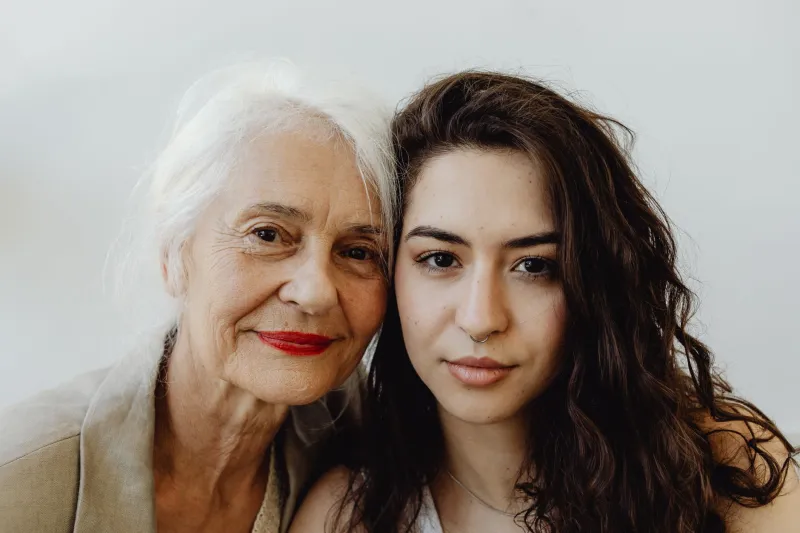
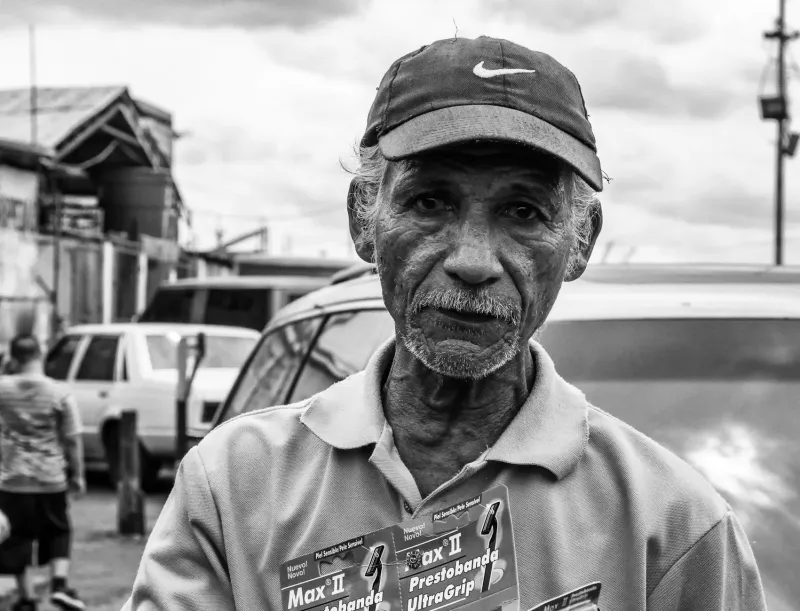
In that context, the portrait that presents a human being—complete with the visible history of a life lived and work done—carries a form of information that the airbrushed alternative cannot. Laugh lines speak to warmth and approachability. A genuine, slightly asymmetrical smile communicates emotional authenticity. The particular way a person's eyes engage the camera tells a viewer something no resume line can replicate.
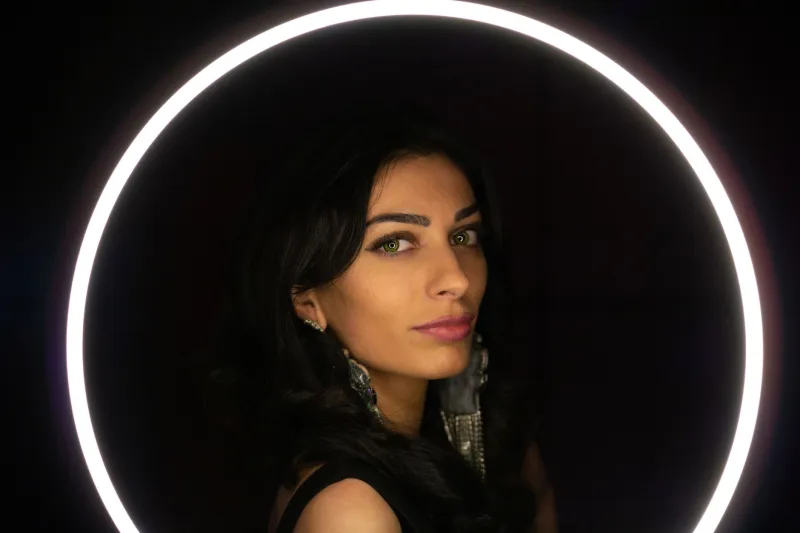
This is not an argument for neglecting professional presentation. Thoughtful styling, considered lighting, and skilled composition remain essential. The distinction lies between curation and erasure. The finest portrait work curates the authentic self with precision and intentionality. It does not replace that self with an idealized facsimile.
Strategic Authenticity Is Not Accidental Authenticity
It is worth drawing a careful distinction here, because the concept of authenticity in portraiture is frequently misunderstood. Strategic authenticity is not the same as simply showing up unprepared and hoping for the best. It is not an excuse to forgo professional styling, ignore the relationship between wardrobe and personal brand, or dismiss the technical craft of portrait photography.
Rather, strategic authenticity is the deliberate decision—made collaboratively between subject and photographer—to allow genuine humanity to remain visible within a professionally executed image. It requires, in many respects, more skill than conventional retouching-heavy portraiture. It demands that the photographer cultivate real ease and expression in their subject rather than relying on post-processing to compensate for a stiff or disconnected session. It asks the subject to engage with the process honestly rather than performing an idealized version of themselves.
At Portraits & Co., this philosophy is central to the work. The most compelling portrait sessions are those in which a subject's genuine character—their humor, their intensity, their particular way of inhabiting a room—finds its way into the final image. That quality cannot be added in post-production. It must be present in the room.
The Competitive Advantage of Looking Like Yourself
In practical terms, what does strategic authenticity actually deliver for the professional who invests in it?
First, it creates differentiation in a landscape of visual sameness. When every executive headshot on a company's leadership page features the same flat, over-lit, heavily retouched formula, the portrait that carries genuine character stands apart immediately. Memorability, in personal branding, is not a luxury—it is a prerequisite for the kind of recognition that translates into opportunity.
Second, it establishes congruence between the portrait and the in-person experience. One of the most damaging outcomes of the overly polished professional image is the dissonance it creates when a client, colleague, or audience member meets the actual person. When the portrait and the reality align—when someone looks essentially like their photograph, with all the warmth and character that implies—trust is reinforced rather than quietly undermined.
Third, and perhaps most consequentially, it positions the professional as secure in their own identity. There is a quiet but powerful signal embedded in a portrait that has not been scrubbed into abstraction: this person is comfortable enough with who they are to present themselves honestly. In a professional culture that increasingly values self-awareness and psychological groundedness, that signal carries real weight.
Redefining the Standard of Professional Excellence
The evolving conversation around authenticity in professional portraiture invites a broader reconsideration of what excellence in this field actually means. For much of the twentieth century, excellence meant technical mastery in service of an idealized image. The best portrait was the one that made its subject look most like the aspirational version of themselves.
The emerging standard is more demanding and, ultimately, more interesting. Excellence now means the technical and relational skill to capture a subject as they genuinely are—and to make that genuine self compelling, professionally resonant, and visually sophisticated. It requires that the photographer understand not only light and composition but character, context, and the particular professional story their subject is trying to tell.
The authenticity paradox, properly understood, is not a paradox at all. It is simply the recognition that genuine human presence is the most powerful asset any professional portrait can possess—and that the work of skilled portraiture is to reveal it, not to replace it.
Your most honest portrait may indeed be your most powerful one. The question is whether you are willing to let it be seen.