The Next Room Has a Different Light: Rebuilding a Portrait After Promotion
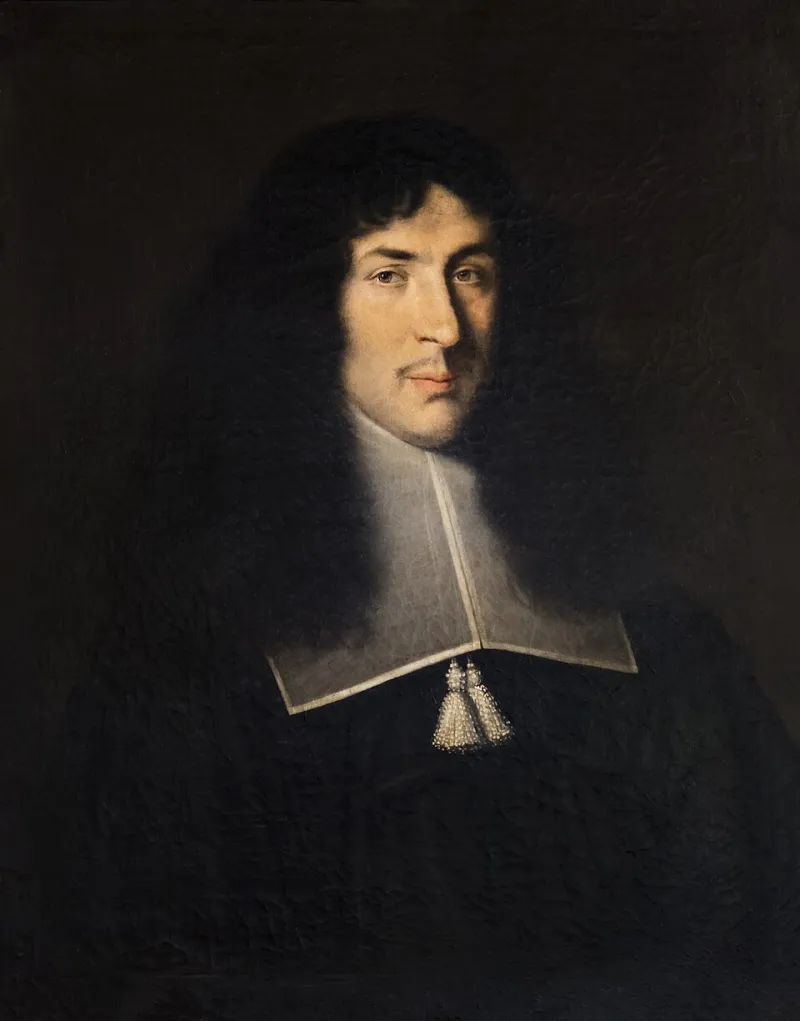
Photo: Didier Descouens, Public domain, via Wikimedia Commons
A promotion is usually described as a change in responsibility. It is also a change in audience. The people who once evaluated a candidate for diligence now evaluate a leader for judgment, composure, and scale. The portrait that served the first evaluation often remains in place long after the second has begun.
The Gap Is Not Vanity
Visual identity lag is common in American professional life. A person is promoted in January, begins managing a larger team in March, and by the following autumn is still represented online by a close-cropped image taken for a previous role. The lag is rarely caused by indifference. It is caused by success: the earlier portrait worked, so there seems little reason to replace it.
The difficulty is that portraits do not merely record a face. They frame a set of expectations. A manager's portrait often communicates approachability, tactical focus, and readiness to be in the room. An executive portrait must communicate a different kind of stillness: the sense that the person can hold a wider view, absorb pressure, and remain legible across contexts. The face may be the same. The frame is not.
Keep the Through-Line
The first rule of updating a professional image after a promotion is continuity. The earlier portrait carries credibility equity. It shows a person who was willing to be seen, who submitted to a process, and who looked like the role being offered. Replacing it with a wholly different visual persona can read as reinvention rather than growth.
A useful approach is to preserve one or two anchors. The palette may remain consistent. The grooming may stay familiar. The expression can retain the same basic temperature, whether that is reserved, open, or quietly confident. What changes is the context: the amount of space around the figure, the structure of the clothing, the calm of the posture, and the setting that frames the face.
Wardrobe: Structure Without Costume
In US corporate culture, the wardrobe signal that separates a manager's frame from an executive's is rarely a matter of price. It is a matter of structure. A manager's portrait may work well in a simple shirt or a soft jacket. An executive frame often benefits from a little more architecture: a collar that holds its shape, a jacket with a clean shoulder line, a fabric that does not collapse under light.
The mistake is to jump several levels at once. A sudden tuxedo, an exaggerated power suit, or a dramatic color can look like a costume rather than a promotion. The better move is incremental. Add one layer of structure. Choose a restrained palette. Let texture carry the signal that the image is considered rather than expensive.
Posture and the Geometry of Authority
Posture in portraiture is often discussed as confidence, but the more precise word is settlement. A manager may lean slightly forward, signaling engagement and momentum. An executive portrait often benefits from a body that has settled into its own space. The shoulders are not forced back. The neck is not strained. The chin is level. The person appears to be occupying the frame rather than auditioning for it.
Hands can help or hinder. A hand hidden entirely can make the figure look guarded. A hand gripping a chair or clasping too tightly can introduce tension. In a promoted portrait, the hands should be quiet. One hand visible near the torso, relaxed and unposed, often does more for authority than a staged gesture.
Setting: From Desk to Context
A manager's portrait frequently uses a plain backdrop or a desk because those settings are efficient and legible. An executive portrait can afford more context, provided the context is controlled. A line of architecture, a window with soft light, or a quiet corner of an office can suggest scope without turning the image into a scene.
The key is negative space. An executive frame usually needs room around the subject. That space is not empty. It signals that the person is not crowded by the immediate task. It suggests a wider field of responsibility. For US professionals updating a portrait for a website, a conference bio, or an internal leadership page, the setting should be simple enough to survive cropping and reproduction at small sizes.
The Signals That Separate Levels
The differences between a manager's frame and an executive's are subtle. They include the width of the crop, the steadiness of the gaze, the amount of visual noise in the background, and the way the clothing holds its shape. They also include the expression. A manager's portrait may smile more readily. An executive portrait can be warm without being eager. The mouth may be closed. The eyes may carry the welcome.
None of these signals is absolute. A creative director may need a looser frame than a bank executive. A founder may need more energy than a general counsel. The point is not to imitate a template. The point is to match the visual grammar of the next room without abandoning the person who earned entry to it.
A Practical Update
Begin with an audit. Gather the images currently used on the company website, LinkedIn, the internal directory, speaker bios, and any client-facing decks. Ask which one is doing the most work and which one is most out of date. Choose a single anchor portrait for the next year rather than scattering several unrelated images across platforms.
When booking a session, ask for two setups: one close and efficient, one wider and more contextual. Review the results at the size they will actually appear. A portrait that looks commanding on a full screen may become a pale rectangle at directory size. The successful update is the one that preserves recognition while adjusting the frame. The person should still look like the person who was promoted. The image should look like the room they now occupy.