What the Hands Say Before the Face Finishes Speaking
The face is the appointed messenger of a portrait. It carries the gaze, the expression, and the recognizable self. The hands are the supporting witness. They are also, in many professional photographs, the first thing to be removed. Cropped at the wrist or hidden behind a desk, they are treated as a technical inconvenience rather than a source of meaning.
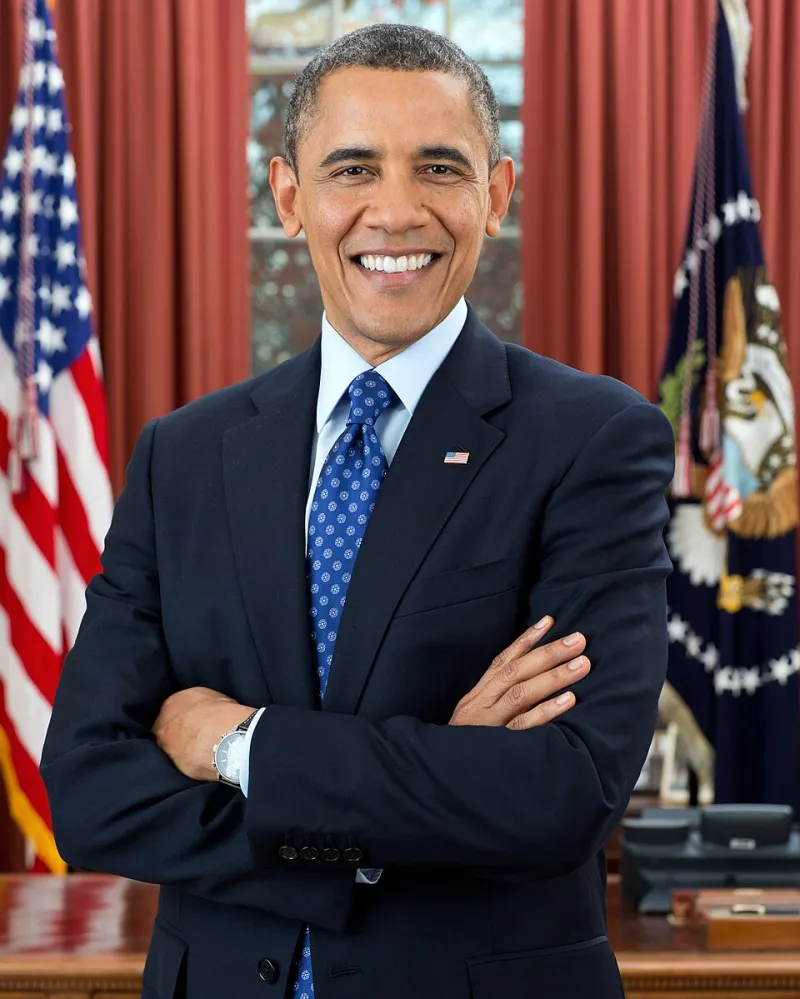
That is a mistake. In American portraiture, hands carry a remarkable amount of social information. They suggest openness or guardedness, stillness or agitation, competence or performance. They can make a formal portrait feel human. They can also make it feel staged.
The Cropped Subject
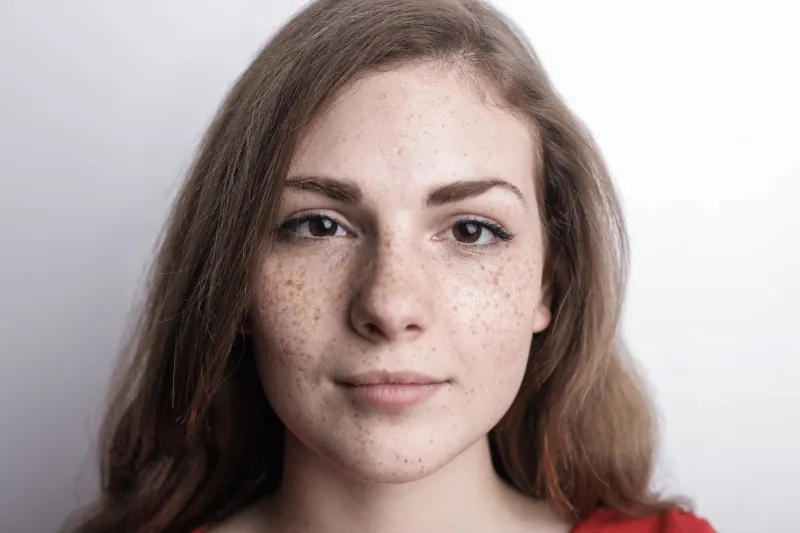
Hands are difficult to photograph. They have many small joints, varied skin tones, and a tendency to look awkward when forced into a pose. For photographers working quickly, cropping at the wrist is a reliable solution. For subjects, hiding the hands can feel safer than exposing them.
Yet the absence of hands is not neutral. A portrait that ends at the wrist can read as disembodied. The viewer receives a face without the anchoring gestures that normally accompany human presence. In a business portrait, this can subtly increase the formality of the image, but it can also reduce warmth. The person looks polished and slightly unavailable.
Warmth, Competence, and the Tell of Tension
Hands are read quickly. An open palm, relaxed fingers, and a hand that rests rather than grips tend to suggest approachability. A still hand with fingers lightly together can suggest composure. A clenched fist, a white-knuckled grip on a chair, or fingers laced too tightly can introduce tension that the face is working to deny.
This does not mean that every portrait needs visible hands. It means that when hands are included, they should be considered part of the expression. In US business culture, where the handshake is a familiar metaphor for trust, the hand in a portrait can evoke the same idea without literal gesture. A relaxed hand at the side of the body can suggest readiness. A hand resting on a table can suggest steadiness. A hand brought near the face can suggest thought, but it can also distract if the fingers are busy.
The safest principle is quiet support. The hands should not compete with the eyes. They should give the viewer a second place to rest, not a second drama to follow.
Sleeves, Cuffs, Rings, and the Grammar of a Hand
Styling changes the message of a hand. A sleeve that ends at the wrist creates a clean line. A sleeve that falls over the hand can make the figure look swallowed. A cuff that is too tight can draw attention to the wrist; a cuff that is too loose can look careless. In a formal portrait, the edge of a shirt cuff beneath a jacket sleeve can add a precise, finished note. In a creative portrait, a pushed-up sleeve can add energy and immediacy.
Rings, watches, and bracelets are more consequential than many subjects expect. A wedding band is often read as a personal detail, but in a professional portrait it can also signal stability or tradition. A large watch can become a focal point and pull the eye away from the face. A stack of bracelets can introduce movement and noise. The question is not whether jewelry is appropriate. The question is whether it supports the intended message or becomes the message.
Nail grooming matters because hands are often reproduced at small sizes. Chipped polish, dry cuticles, or uneven nails can read as inattention even when the rest of the image is controlled. This is not a demand for glamour. It is a demand for consistency. If the face is carefully prepared, the hands should not look forgotten.
Posing Without Performance
A staged handshake in a studio portrait is usually a mistake. It can look like a corporate stock photograph, and the gesture can freeze the shoulders and distort the jacket. The better approach is to evoke the idea of a handshake without literalizing it. A slight turn of the torso, one hand relaxed at the side, and a steady gaze can communicate the same openness with less theater.
For standing portraits, one hand can rest lightly at the waist or beside the hip. The fingers should be softly separated, not splayed. For seated portraits, a forearm resting on the knee or a hand on the arm of a chair can work, provided the grip is loose. Avoid both hands hidden behind the back or under a desk. Avoid fingers pointing directly at the camera. Avoid clasping the hands so tightly that the knuckles pale.
A mirror is useful before the session. The subject can see which hand feels natural and which side of the body reads more comfortably. The photographer can then adjust the crop and the light. Hands often look best when they are given a task that is almost nothing: resting, waiting, or holding still.
A Small Protocol for the Session
Bring two sleeve options if the wardrobe allows. Choose one ring or watch rather than several competing pieces. Practice sitting and standing with the hands relaxed for a minute at a time. Ask the photographer to include a few frames with visible hands, even if the final selection favors a tighter crop. Review the images at both full size and directory size, because hands that read well in a large print can disappear in a small avatar.
The portrait is not a handshake. It is a still image, and stillness is its native language. When the hands are quiet, they can do what the best supporting details do: they make the face more believable. They remind the viewer that the person in the frame is not only a professional image but a body in a room, waiting to be met.